
Chimney inspections in Lafayette.
We look at the whole chimney, cap to firebox, so a small fault is found before it grows. Phone the office or book online.
- reviews on Googleas of
Office Mon to Fri 7 AM to 7 PM, Sat 8 AM to 5 PM. Book online any hour.Office open now, until Office opens . Book online now.
- Book onlineAny hour
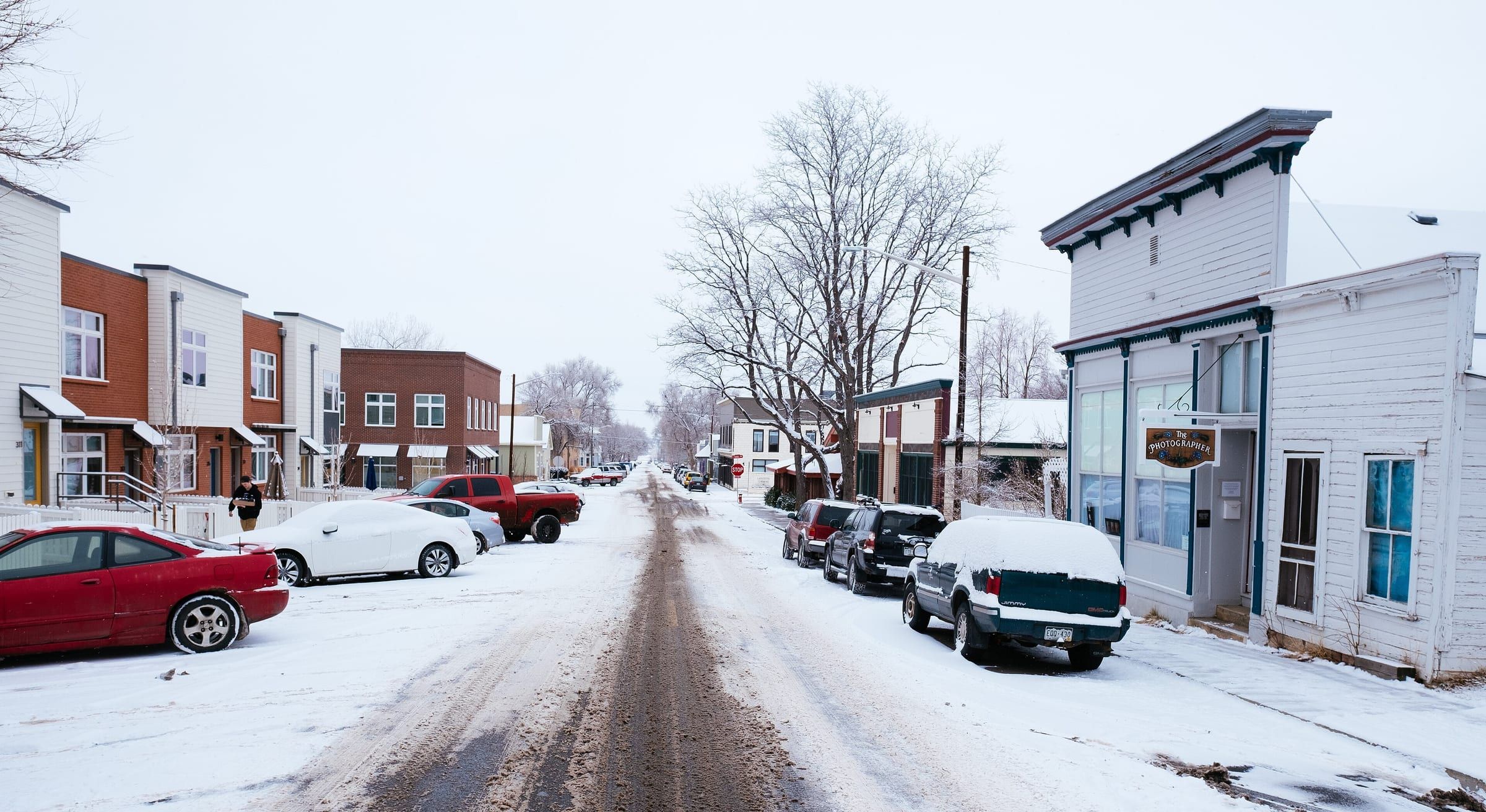
Photo: Lafayette, CO, Jared Winkler, CC BY-SA 4.0
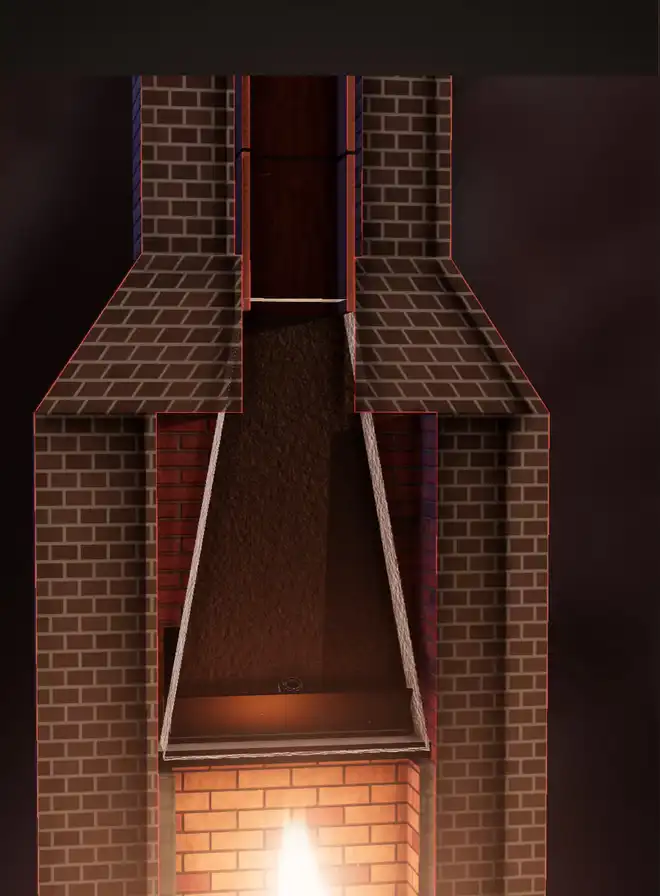
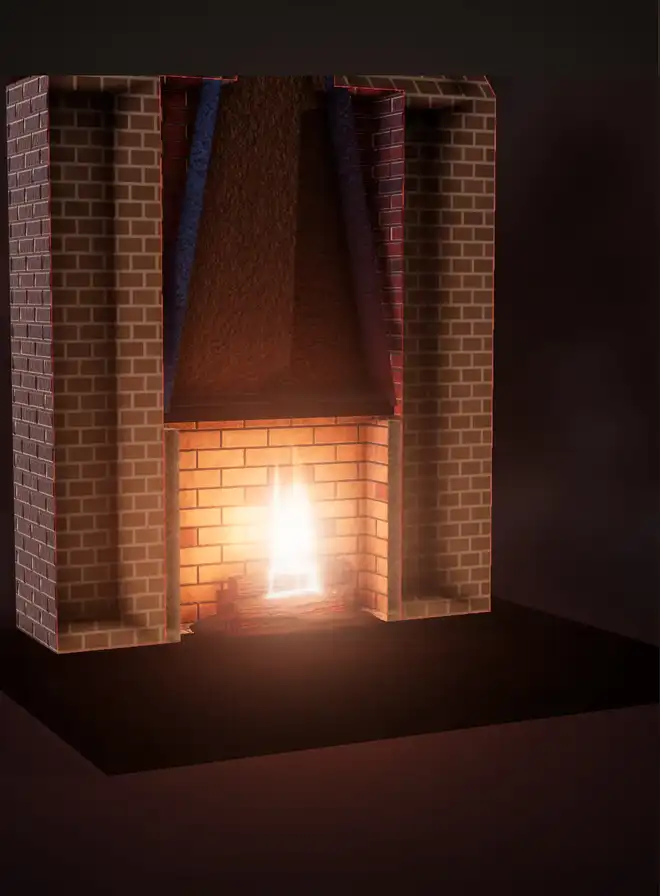
What an inspection covers.
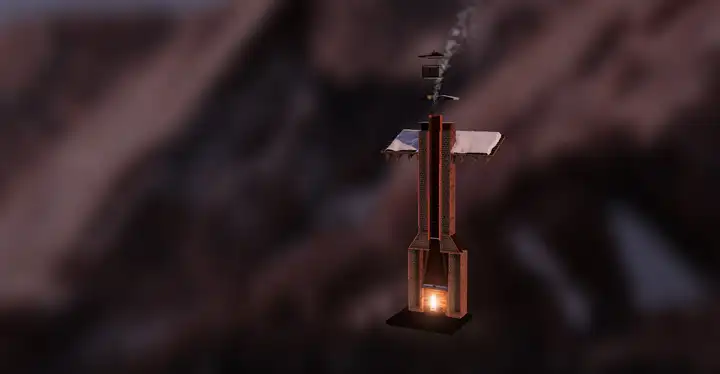
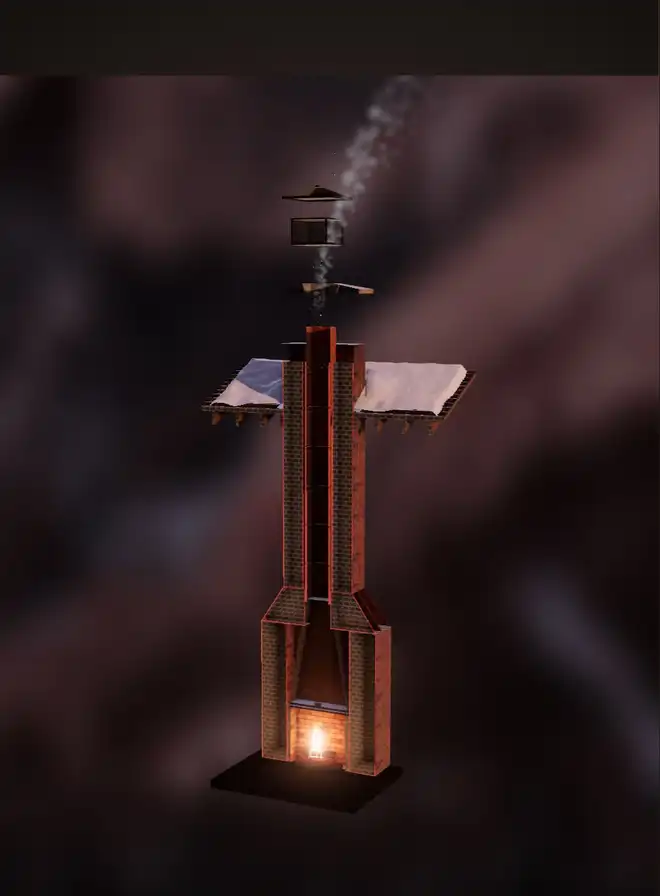
Six parts, from the cap down to the firebox.
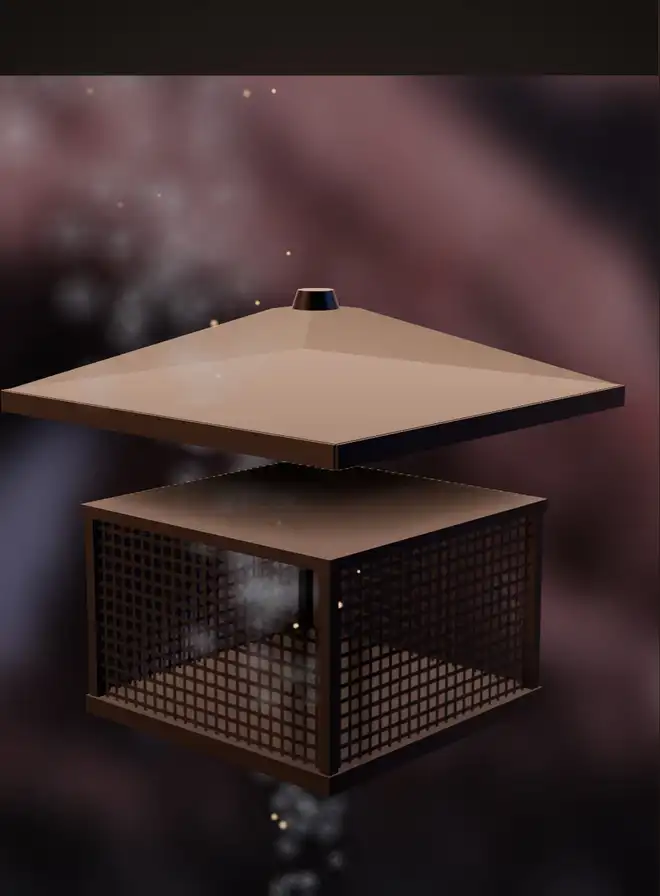
Cap
Over the flue opening
The cap shuts out snow, rain, birds and squirrels, and its mesh stops embers before they can land on shingles or dry grass.
We check: fit, corrosion, torn mesh, nesting material.
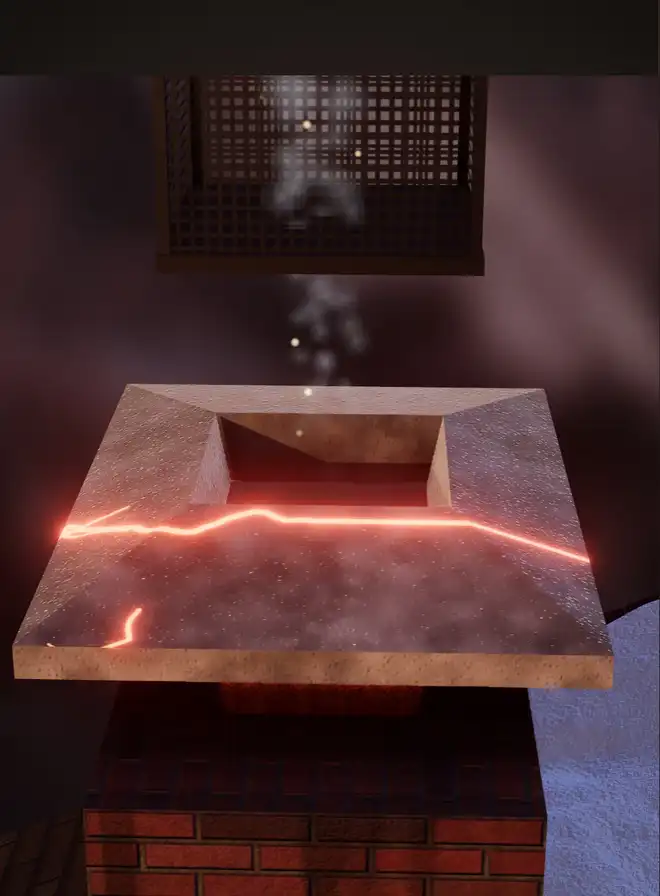
Crown
The concrete slab
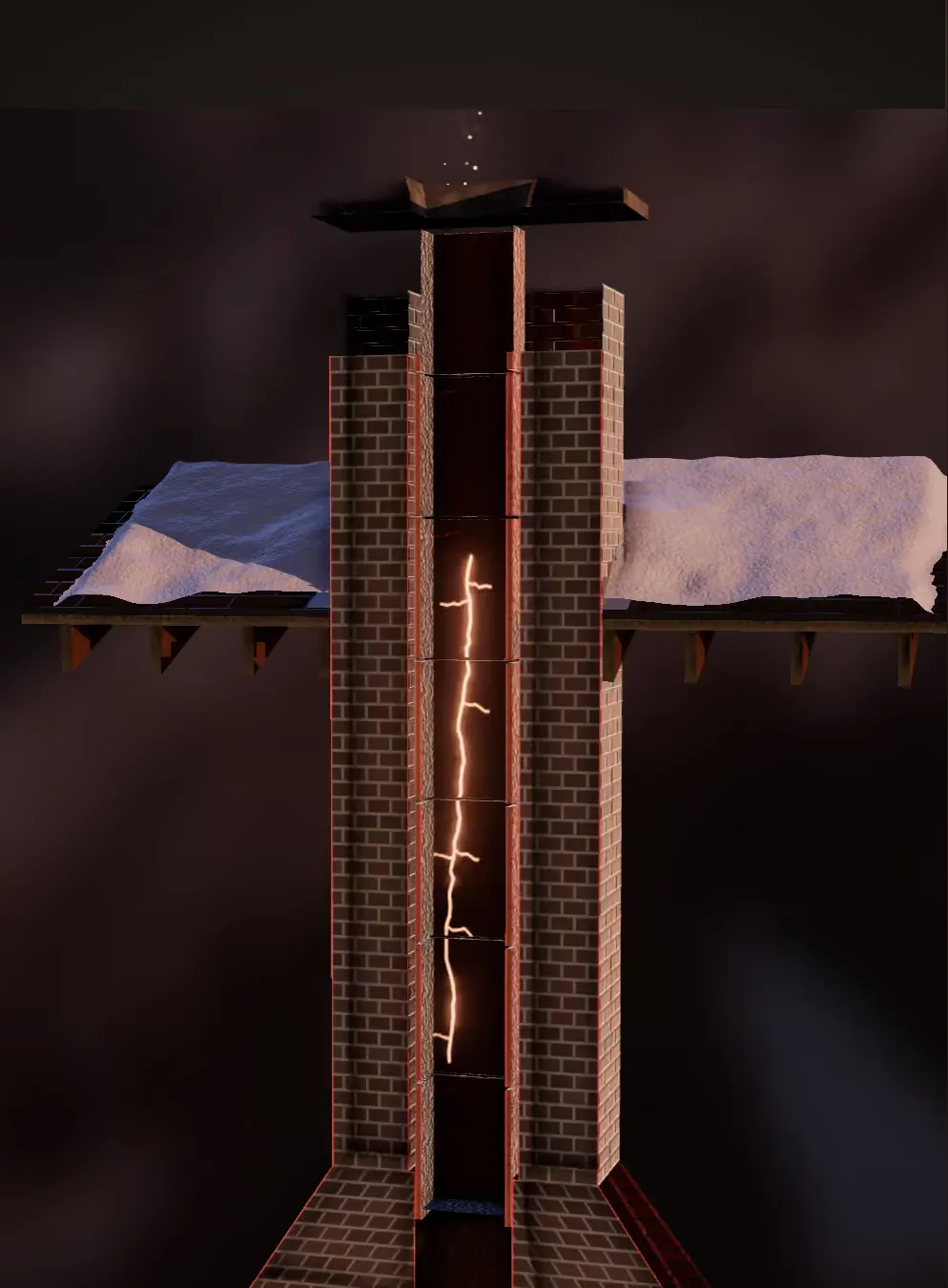
Water that works into a hairline crack in the crown swells by about 9% as it freezes, and a Lafayette winter repeats that night after night.
We check: hairline cracks, flaking, gaps around the flue tile.
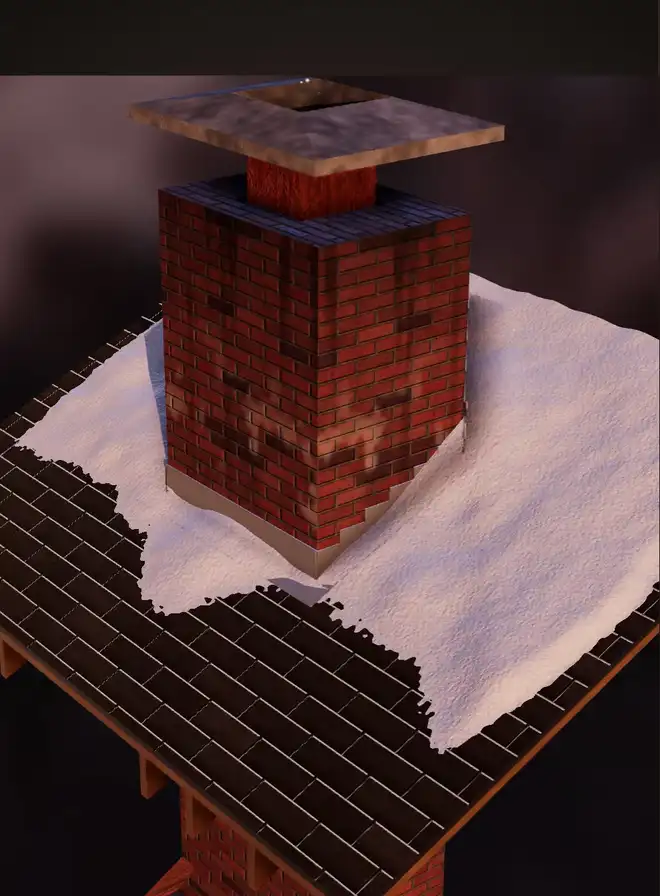
Flashing
Where chimney meets roof
The metal and sealant where chimney meets roof. Snow banks against it and melts slowly, so one lifted edge is enough to let water in.
We check: lifted counterflashing, dried sealant, stains in the attic.
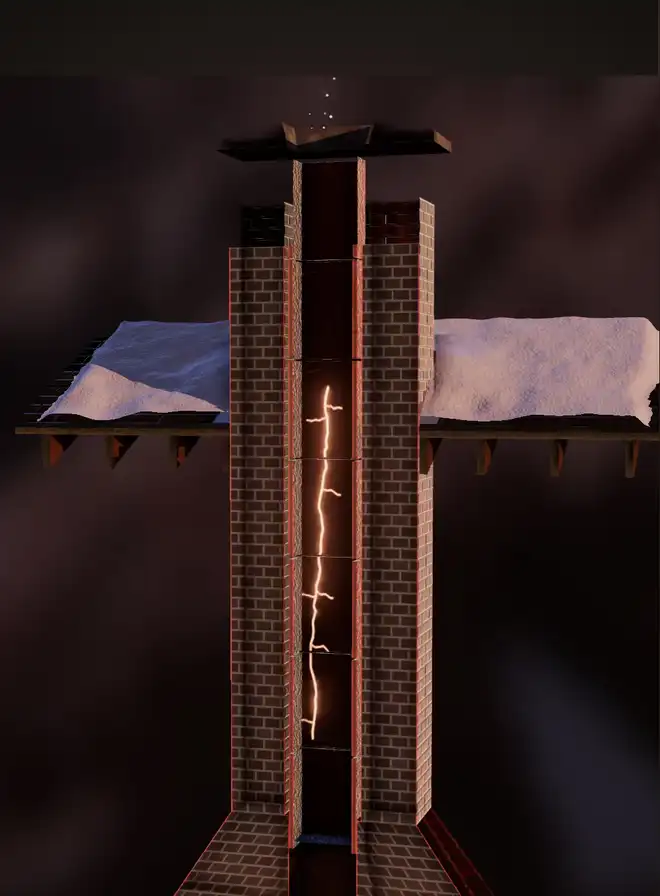
Flue liner
Running up the middle
The liner carries smoke, heat and combustion gases up and out. A cracked or shifted tile can let heat reach the framing and fumes reach the rooms.
We check: cracked or shifted tiles, gaps in the mortar, the right size for the appliance.
Smoke chamber and damper
Over the fireplace
Creosote settles here first. The Chimney Safety Institute of America advises sweeping once the deposit reaches 1/8 inch.
We check: glazed creosote, a damper that closes tight, open masonry walls.
Firebox
Where the fire burns
Firebrick and refractory mortar take the heat of the fire. A few open joints are a small job now and a large one once the damage reaches the masonry behind.
We check: joints that have opened, cracked firebrick, a sound hearth.
Three levels of inspection.
NFPA 211, the standard for chimneys and fireplaces, defines three levels, each going deeper than the last.
Level 1
A chimney in regular service, with nothing about how it is used having changed.
Covers The readily accessible parts of the chimney.
Level 2
At a sale or transfer of the property, after the system has been changed, or after a chimney fire or another event.
Covers Everything in Level 1, plus a look in the attic and crawl space and a camera run through the flue.
Level 3
Where a hazard is suspected and Level 2 could not settle the question.
Covers Level 2 and the hidden areas as well, which can mean taking parts of the structure apart.
Source: NFPA 211.Book an inspection
When to book one.
An inspection is not only for when something looks wrong. These are the moments to have one done.
Ahead of the first fire of the year.
NFPA recommends one inspection a year. Early fall, before the stove or fireplace sees use again, is the easy moment to schedule it.
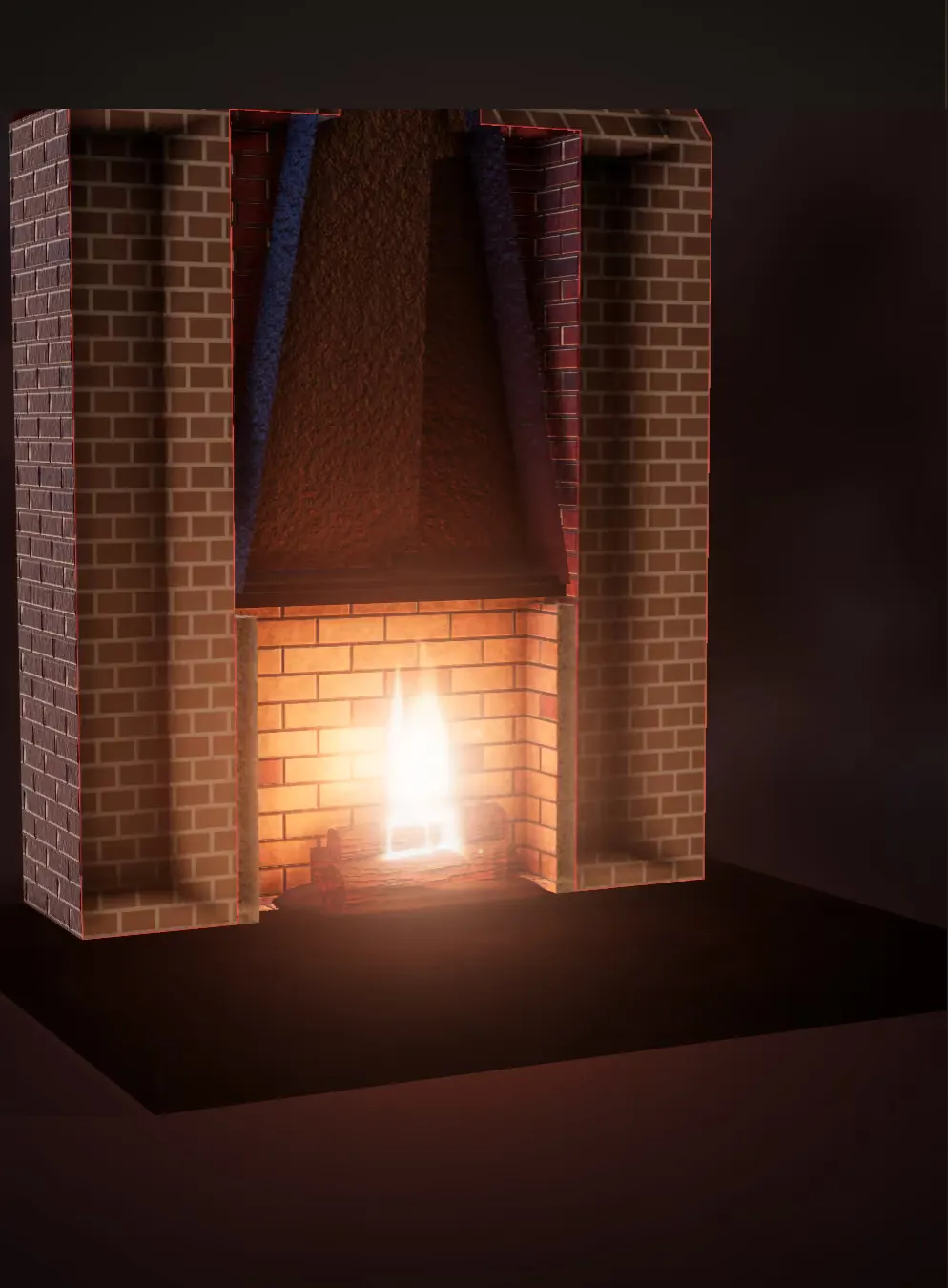
Illustration After a chimney fire.
After a chimney fire or any other event that could have damaged the system, NFPA 211 asks for a Level 2 inspection.
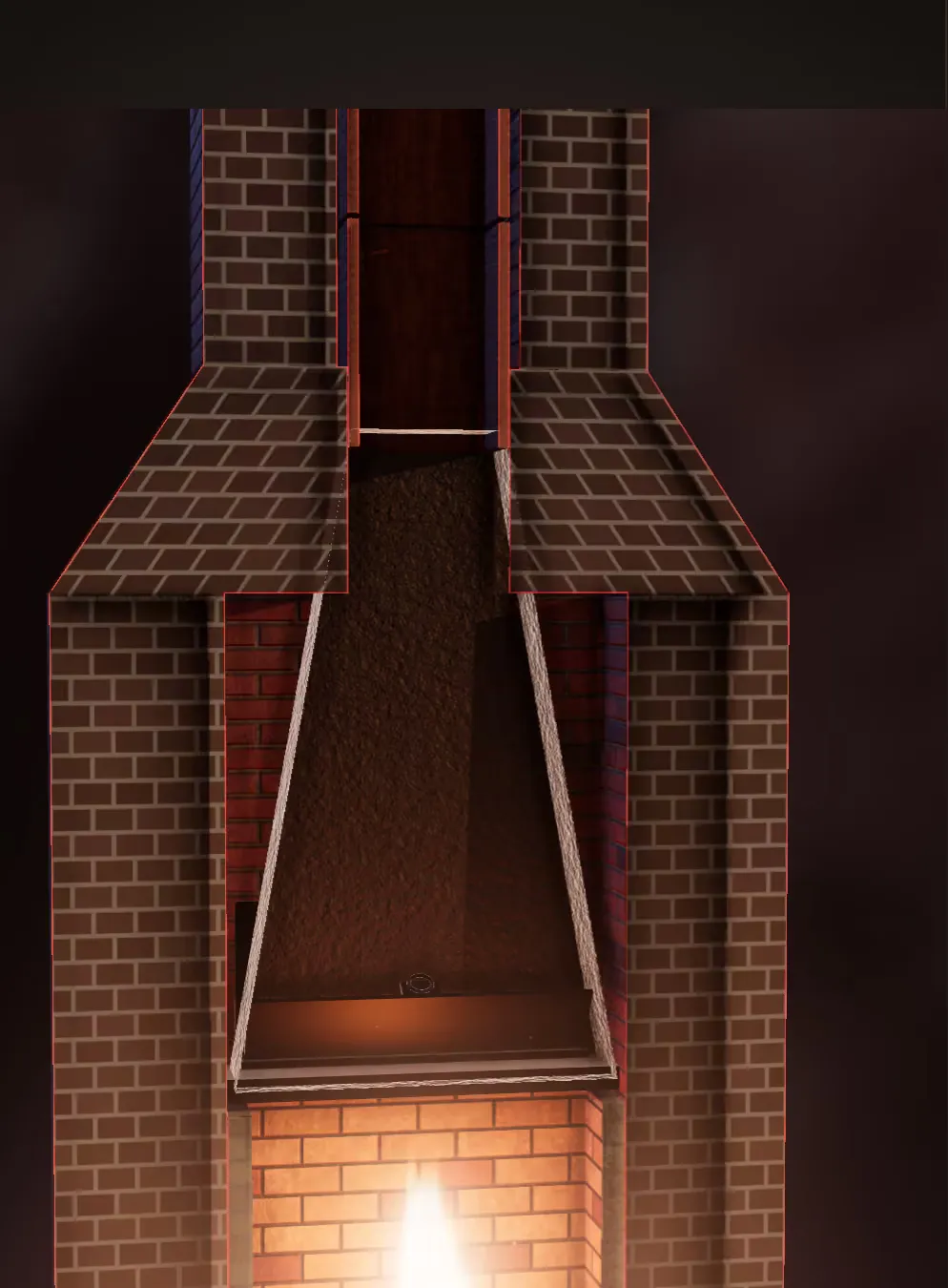
Illustration After a severe windstorm or hailstorm.
Wind and hail hit whatever stands highest first: the cap, the crown and the flashing above the roofline. On December 30, 2021, the National Weather Service recorded a 68 mph gust in Louisville, next to Lafayette.
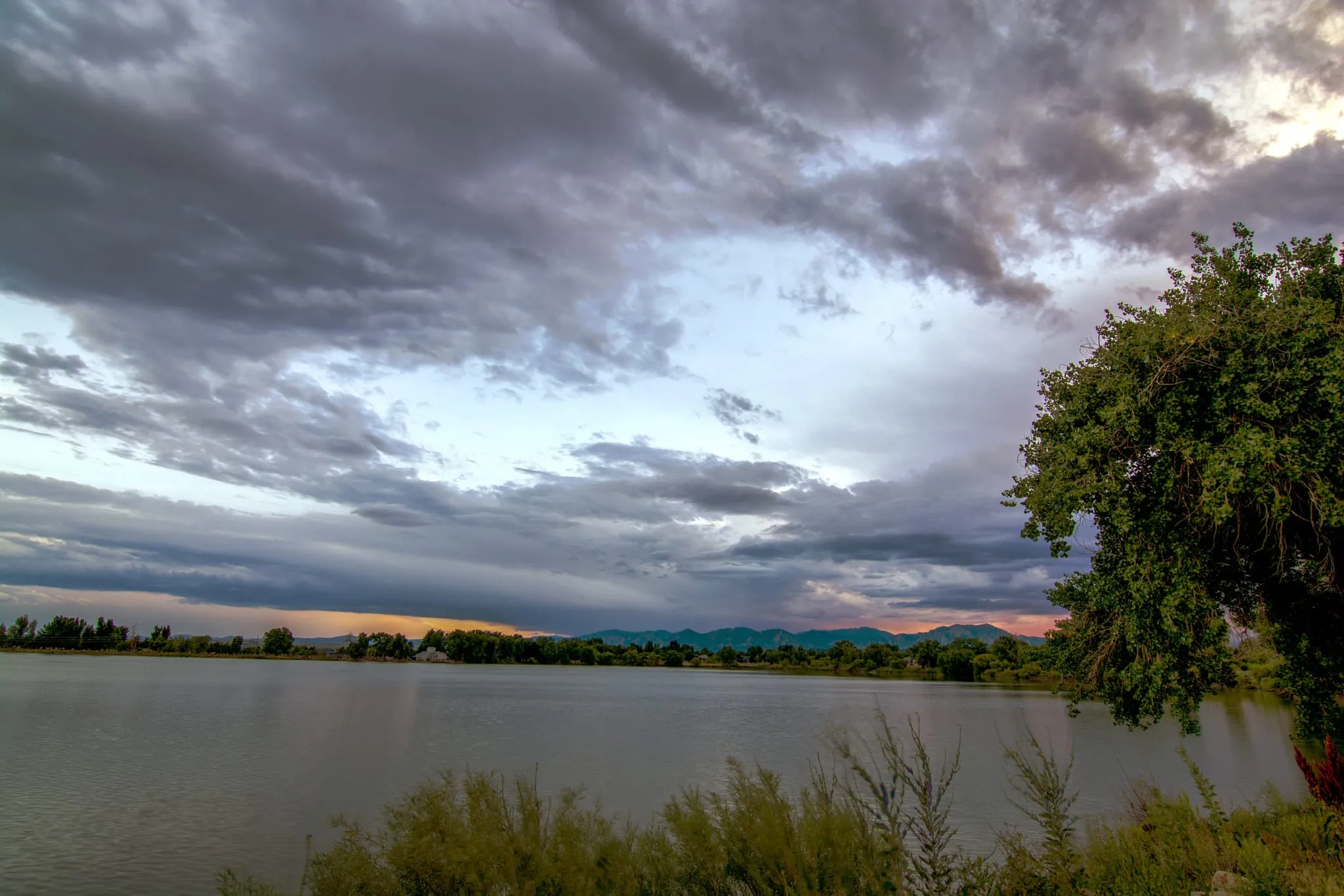
Photo: Waneka Lake clouds (500px photo 75905133), Makia Minich, CC BY-SA 3.0
Questions about inspections.
Plain answers, and the source where there is one.
How often does a chimney need an inspection?
NFPA recommends an inspection once every year. Sweeping is separate: the Chimney Safety Institute of America advises it once a deposit reaches 1/8 inch, sooner if it looks glazed or shiny, so it follows your burning habits.
Is an inspection needed when a house is bought or sold?
Under NFPA 211 a sale or transfer calls for a Level 2 inspection. It goes beyond the accessible parts that Level 1 covers, adding the attic, the crawl space and a camera run through the flue.
What does an inspection look at?
Everything from the top down: cap, crown, the flashing at the roofline, flue liner, smoke chamber and damper, and firebox. The list above shows what is checked on each.
How do I book an inspection?
Call (303) 590-3768 (Mon to Fri 7 AM to 7 PM, Sat 8 AM to 5 PM), or fill in the form on this page whenever you like.
Book a visit.
Send the form with what you need and we ring you to settle a time.
- 1Book By phone, or with the form.
- 2Callback We ring to agree a time.
- 3Inspection We start at the cap and work down.
- 4Decision You choose what is done, and when.
Online
Any hour, through this form
Photo: Waneka Lake east shore panorama with Front Range, Mikepascoe, CC0
Something off with the chimney, or just ready for the first fire of the season?
Office Mon to Fri 7 AM to 7 PM, Sat 8 AM to 5 PM. Book online any hour.Office open now, until Office opens . Book online now.
Book online